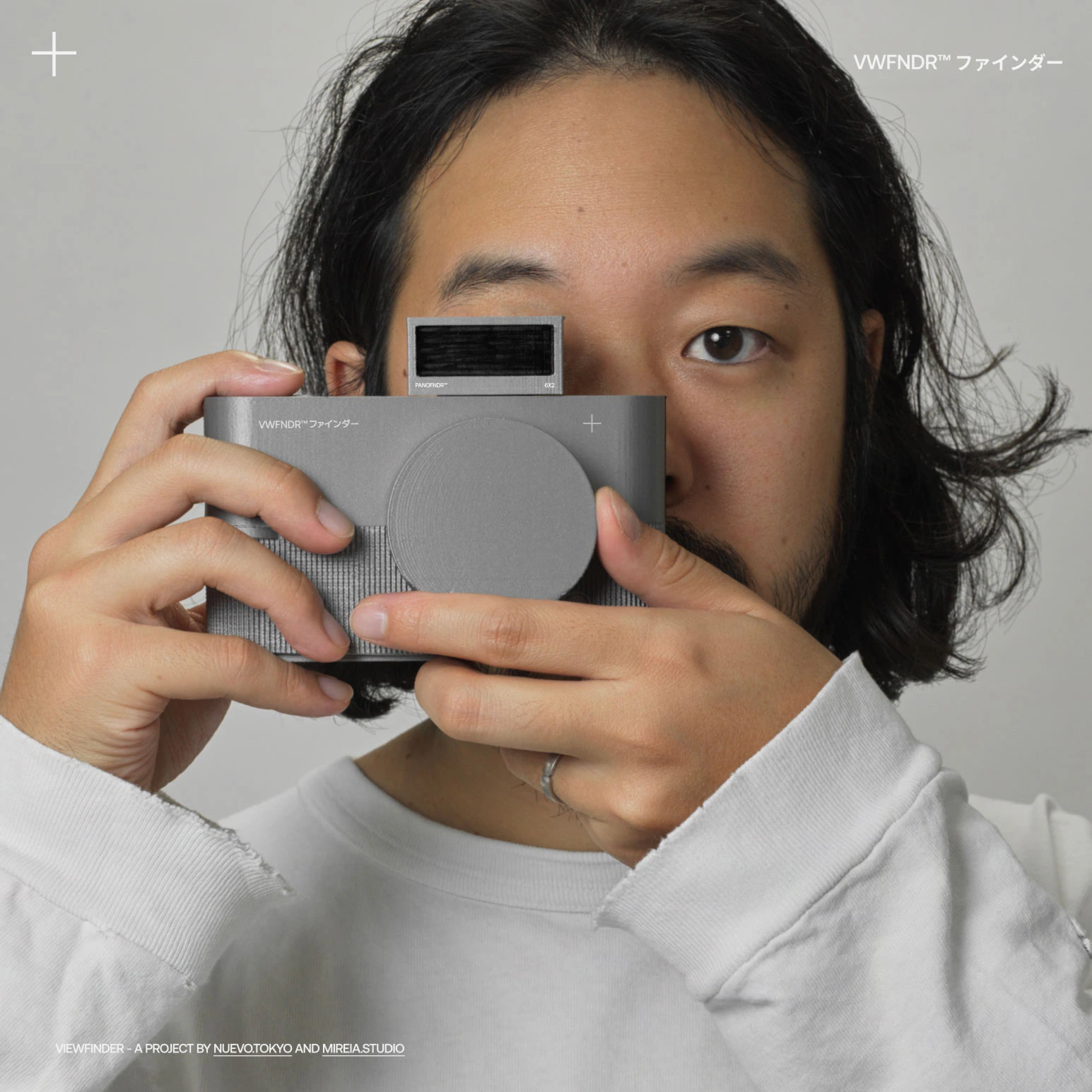
Designed for expandability
Let's revisit KEIRIN's body features. We outlined design principles in newsletter 003, including ergonomics, size, and grid. In newsletter 004, we introduced button-based navigation. In this release, we want to reveal more details about the camera body's design.
While the touch screen gives us the flexibility of a blank canvas for the UI, how do we translate this freedom to the physical body? More importantly, how can we design it to last?
We want to think about the camera ‘as a platform'. A camera body that accommodates accessories and expansion modules, whether designed by us or by third parties.
XPNSNBAY™ + anchor points
The XPNSNBAY™ (expansion bay) is a small racetrack-shaped indentation on the camera top surface with a female pogo pin connector and a subsurface magnetic latch. It enables us to add several peripherals to the camera body. These peripherals are connected using standard pogo pins, capable of transferring both power and data and can even be IP-rated. Once connected, any compatible accessory seamlessly communicates with the camera via WiFi.
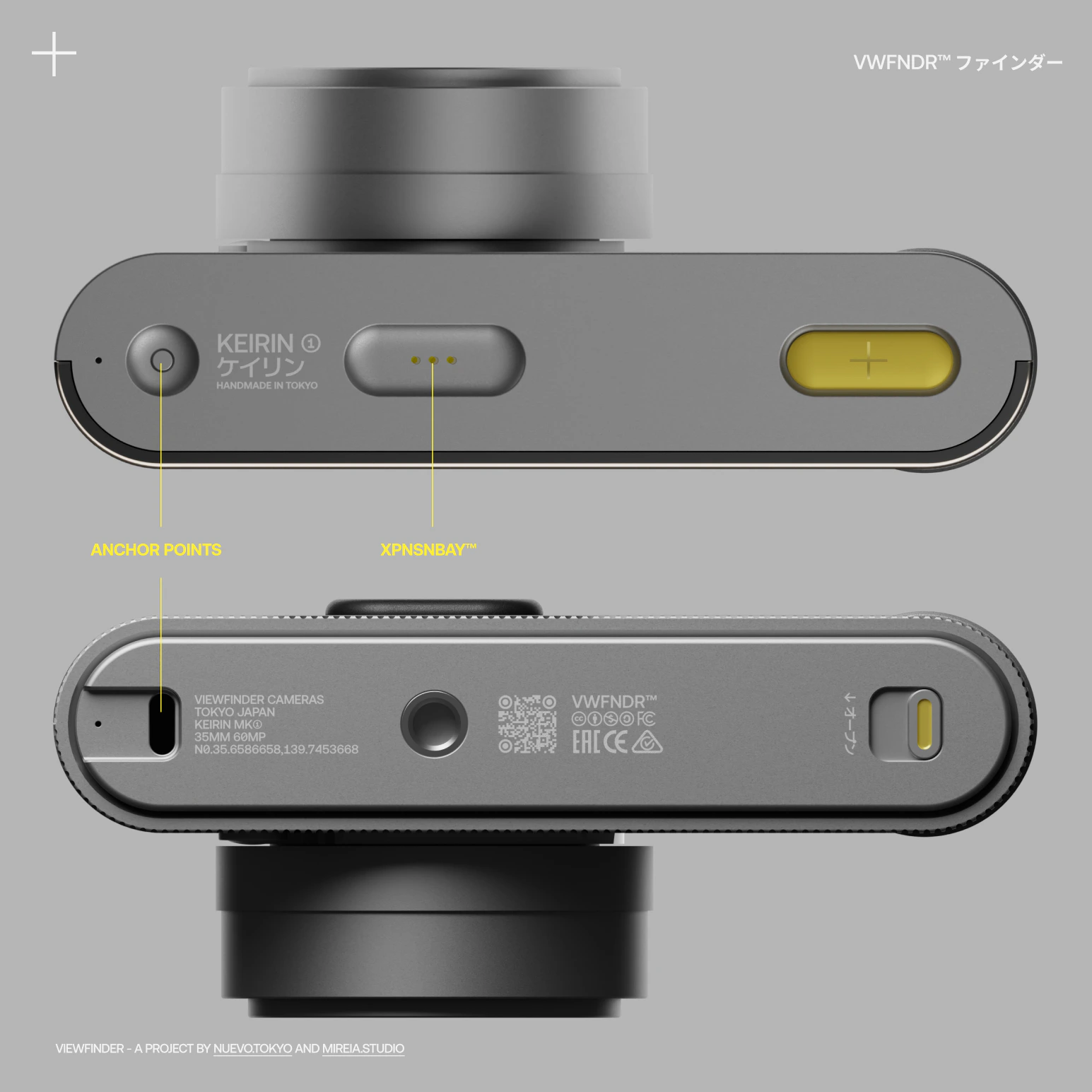
The two anchor points are strategically positioned on the top and bottom of the camera, providing secure mechanical attachment points for accessories. These anchor points are equipped with pin-release systems to prevent accidental detachment while in use.
PANOFNDR™
Our first accessory was inevitably meant to be a viewfinder.
Irrelevant to some but non-negotiable to others, a viewfinder is intimately related to photography from the early days. Looking through a finder is a way to focus your attention on the composition, closer to seeing the world as the camera sees it.
As we mentioned before, we believe in having a dedicated device for photography, as opposed to just using a mobile, as a way to shut down distractions and have a focused shooting experience.
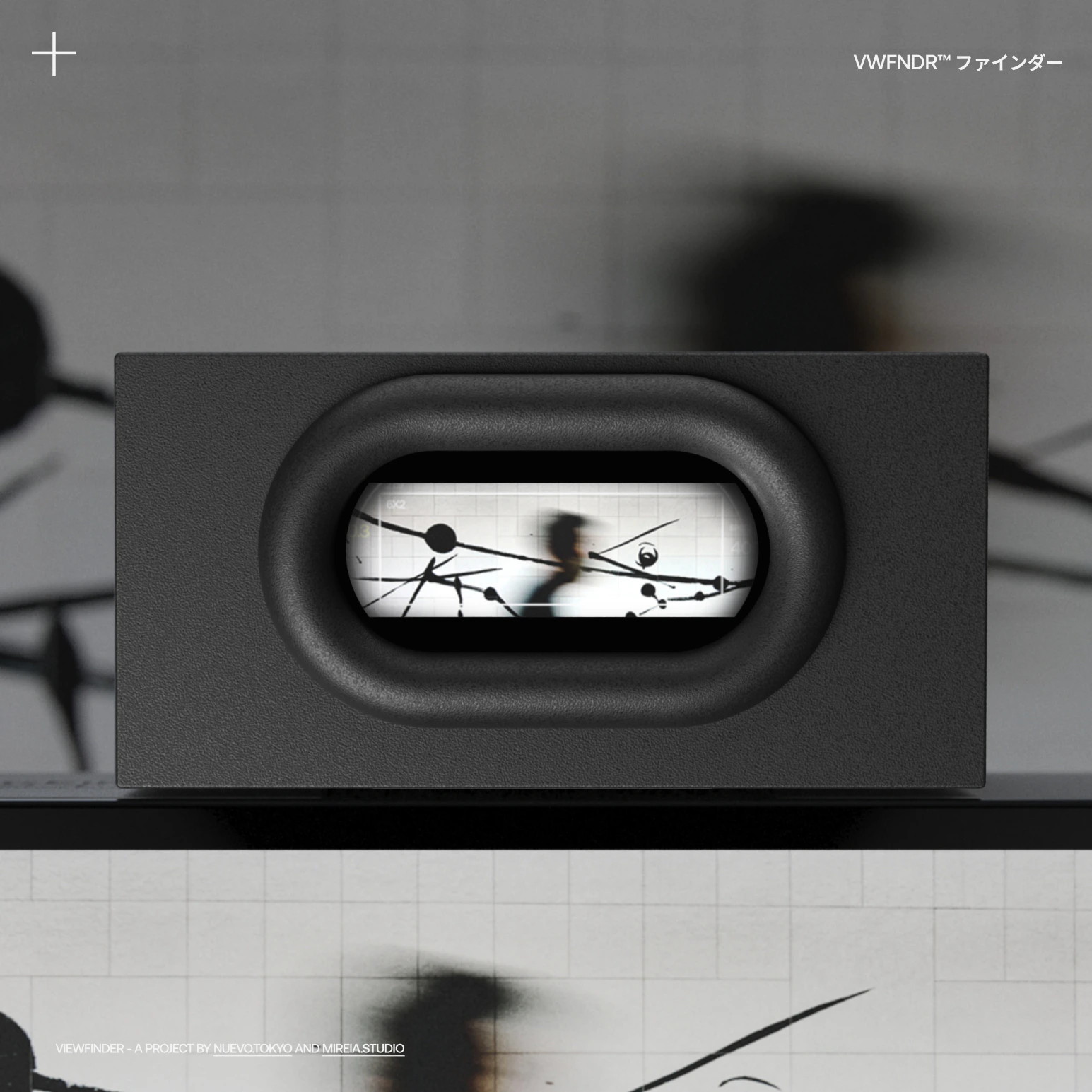
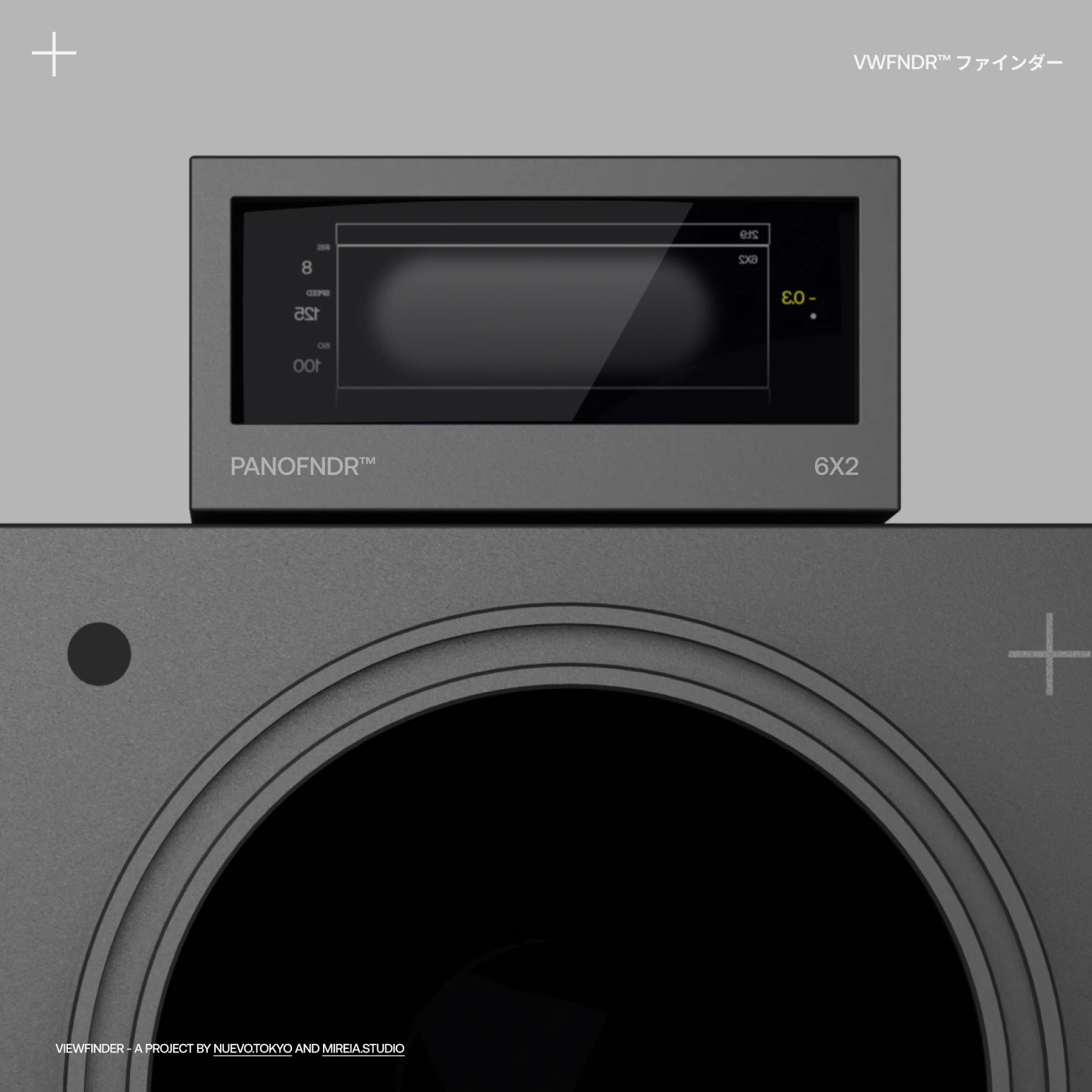
PANOFNDR™ is a direct optical finder with digital frame lines, allowing you to compose and control settings through it.
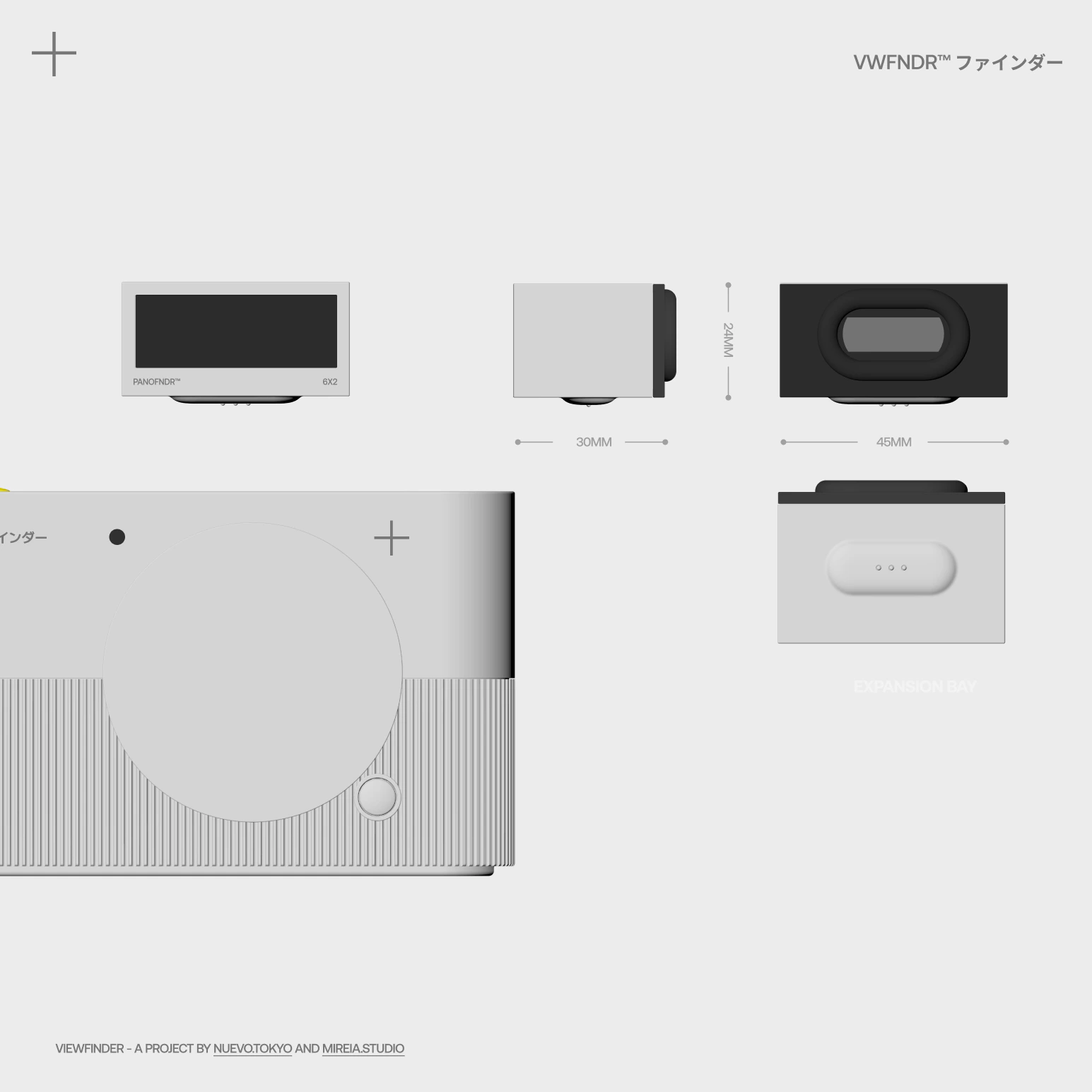
Similar to the camera's design philosophy, this finder prioritises panoramic views while also accommodating smaller formats when the user desires. The expansion bay allows for future viewfinders to be attached, giving users the choice of their preferred experience.
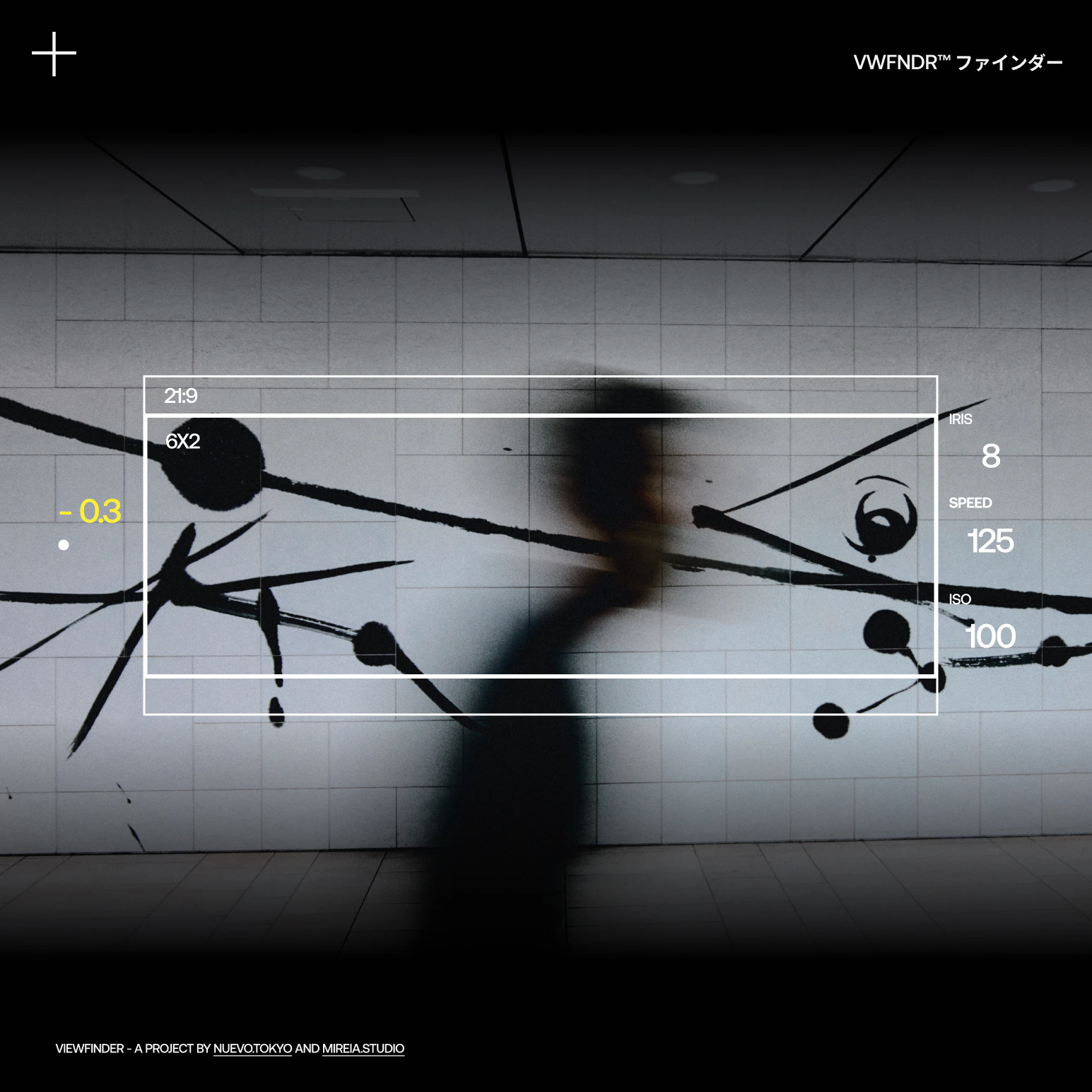
When shooting through the viewfinder, all menus are navigable through the physical buttons in the camera body, thanks to the redundancy built into the design of the physical camera (check out our ID-focused newsletter 003). Users can make use of the bi-directionally clickable wheel, the shutter button, and various combinations thereof for seamless control.
The touch screen will continue to serve as a functional blind touchpad, enabling users to target focus points and access various sub-functions, consistent with its capabilities on other touch-screen-equipped cameras.
3-way strap
Most cameras feature strap attachments along the longitudinal axis. We’ve opted, however, for a more exotic placement (although not unforeseen (opens in a new tab), like the classic Leica M5 (opens in a new tab)) by providing a top and bottom left attachment, along the vertical axis.
By doing so we keep the sides of the camera unobstructed, preserving the smooth, filleted edge. Furthermore, it offers protection to the screen against friction and damage resulting from strap movement.
The anchor points provide several possible straps, over the neck and wrist, to satisfy diverse users.
Credits
Thank you to our good friend Shinya Sasoh (opens in a new tab) for the cool 3D motion! and Totaro from equal.studio (opens in a new tab) for the impromptu model cameo.
VWFNDR™ is an open project for like-minded creators passionate about photography. Please get in touch below with feedback or to get involved!
VIEWFINDER, a project by Nuevo.Tokyo (opens in a new tab) and Mireia.Studio (opens in a new tab)
UX/UI/ideation → Alvaro Arregui Falcon
Industrial design/ideation → Mireia Gordi i Vila