“The VWFNDR Keirin is an expansive new concept for the future of cameras”
→ The Verge (opens in a new tab)
What an honour being able to start this newsletter with such a claim made by Sam Byford (opens in a new tab). He impeccably articulates and summarises why we do what we love. Please have a read of the article (opens in a new tab).
Gracias, amigo!
Showcase
The SHOWCASE was held at the beautiful CONTRAST space in central Tokyo on April 19-21, celebrating one year since the launch of VWFNDR™ and our inaugural project, KEIRIN.
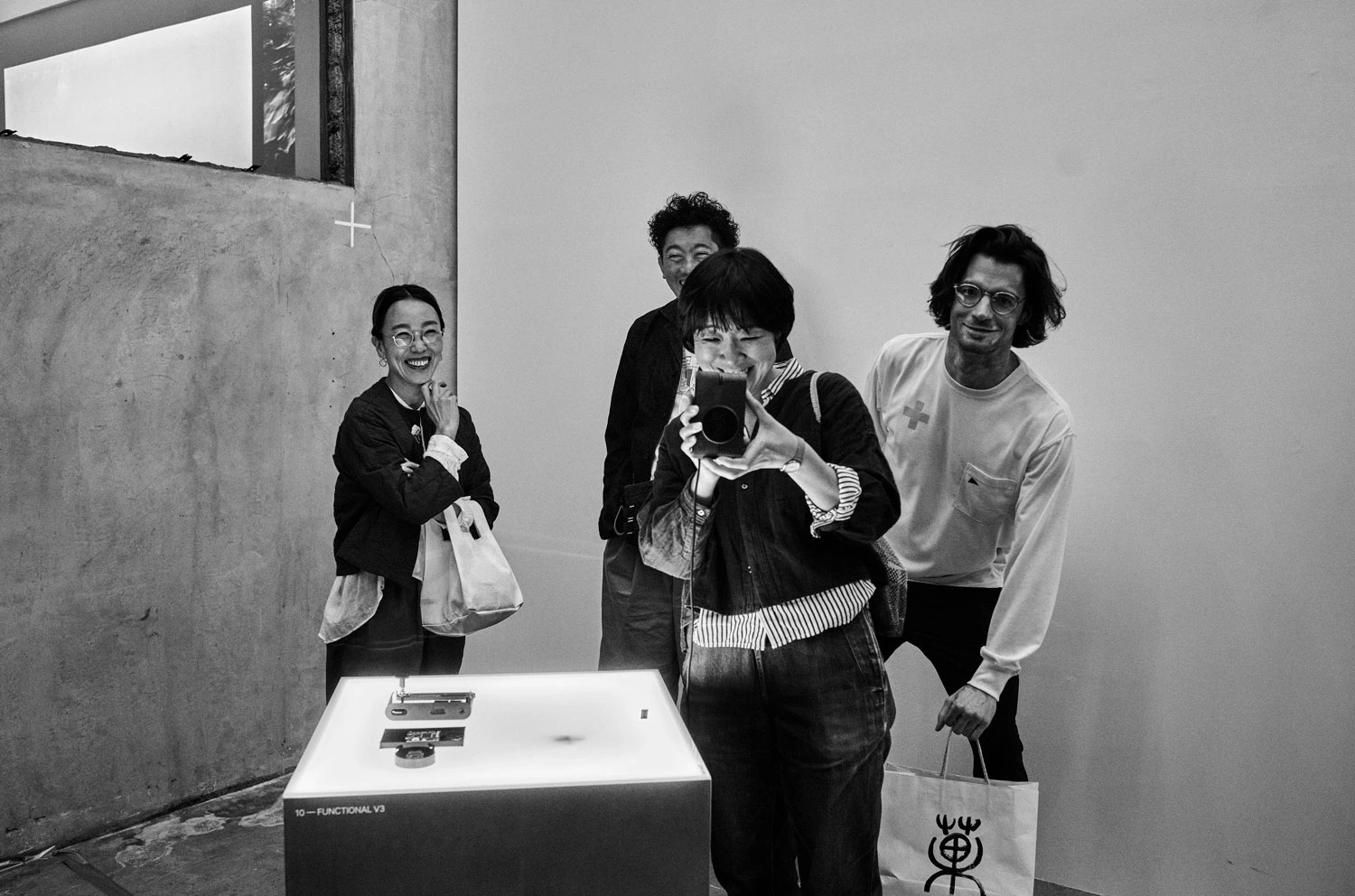
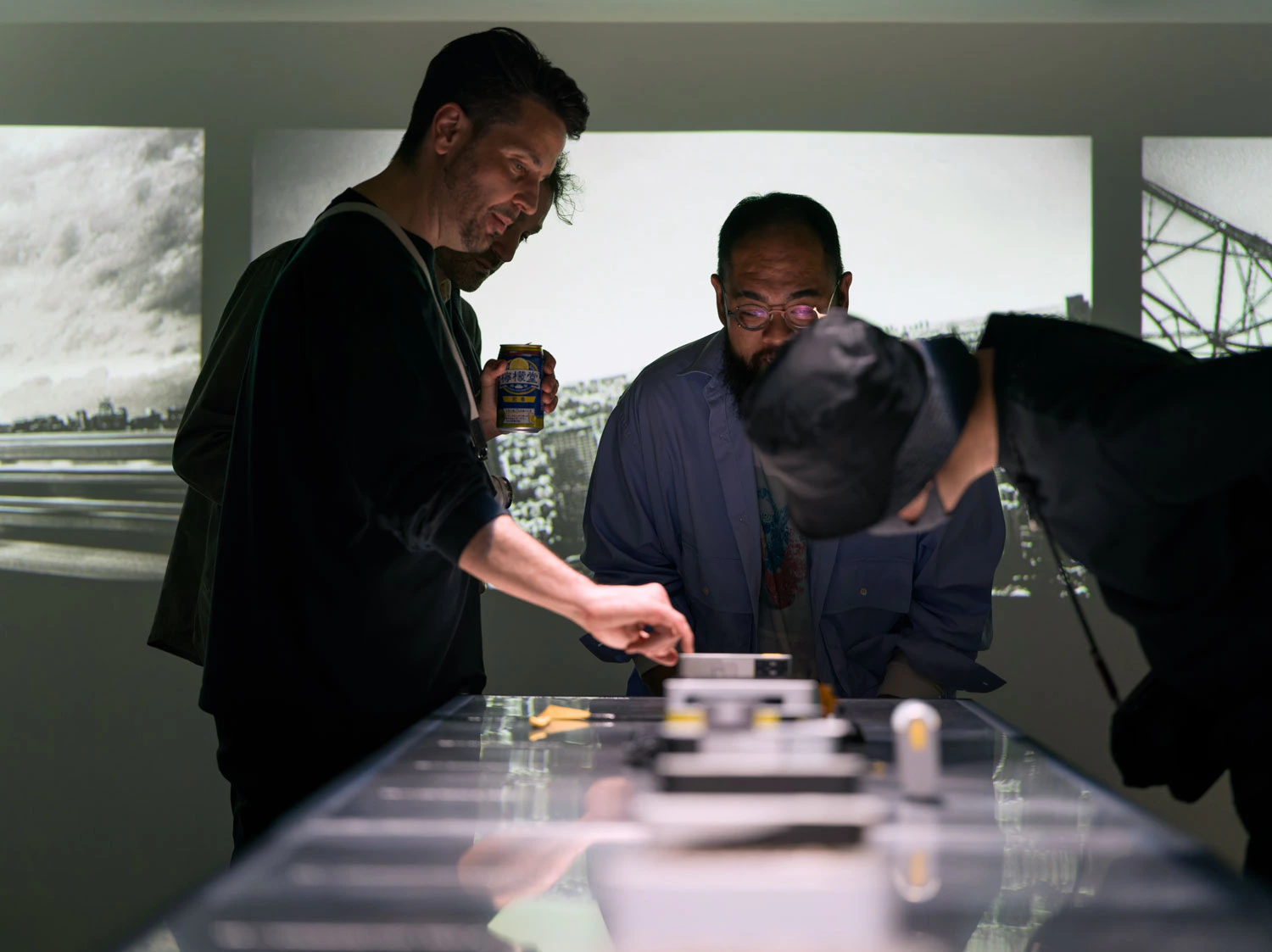
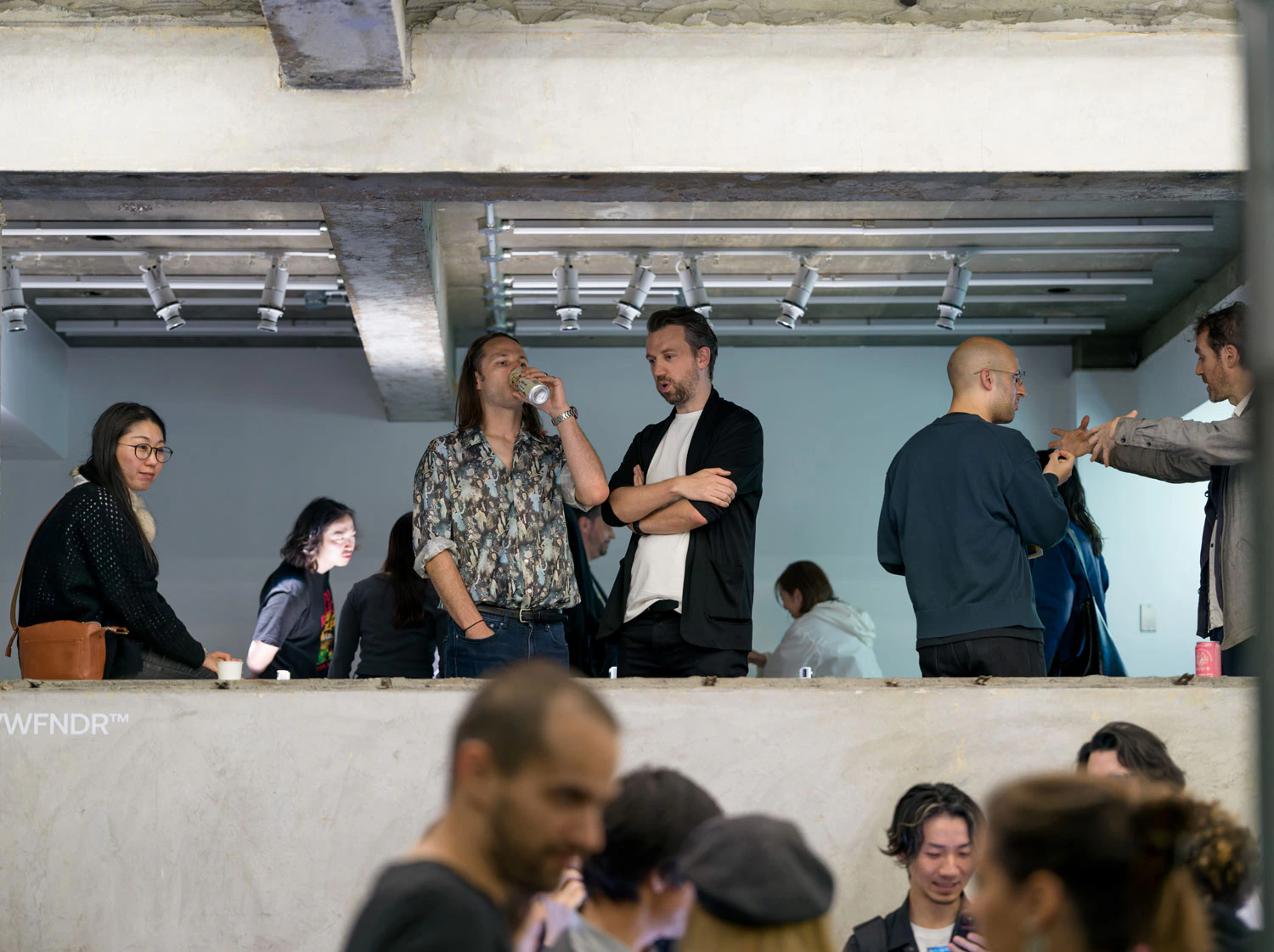
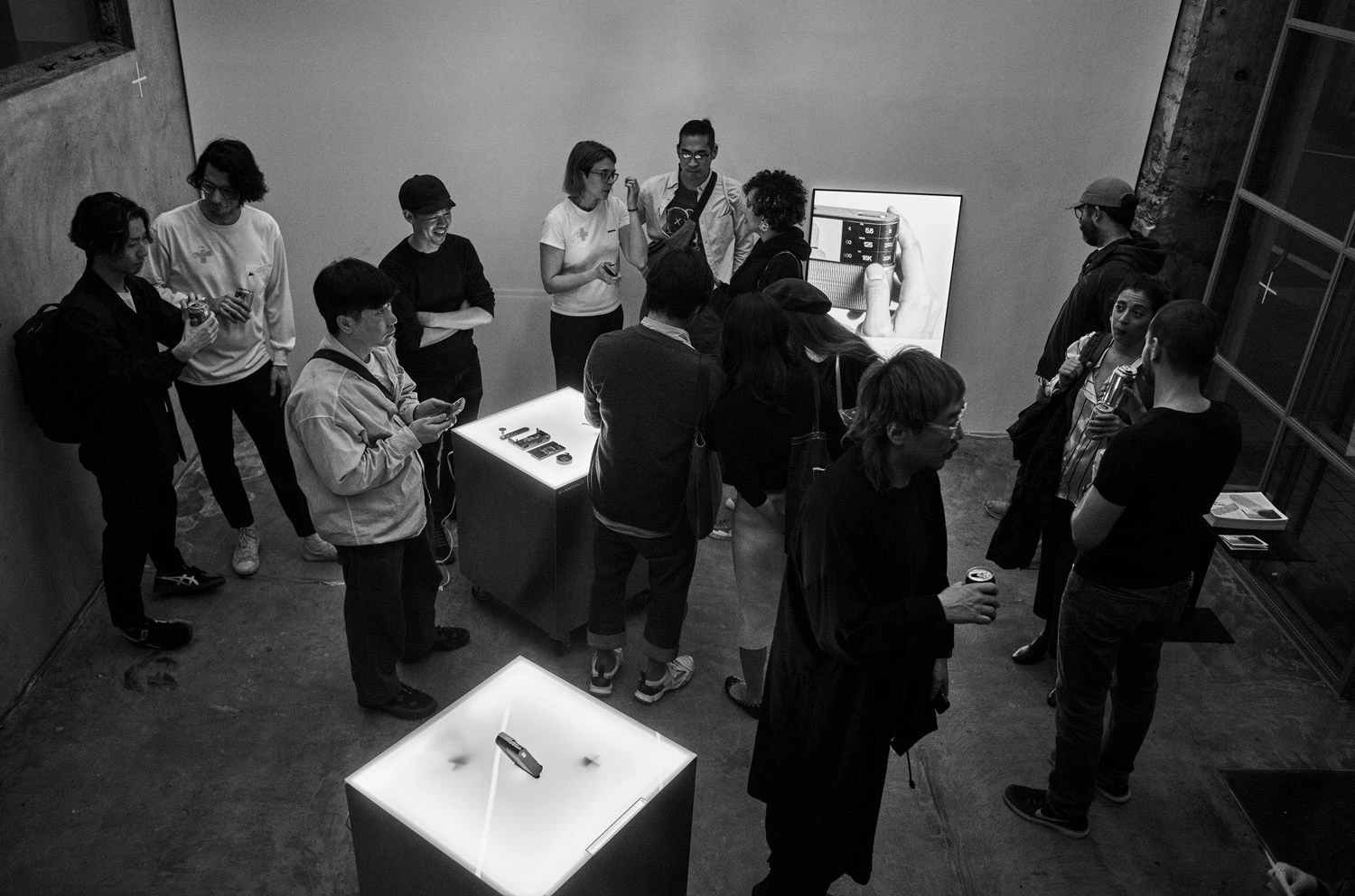
We were fortunate to have around 150 attendees. The event featured our digital and physical design processes alongside contemporary panoramic photography. For those who couldn't attend, we've created an interactive digital showcase where you can explore the KEIRIN camera and prototypes from every angle.
→ VWFNDR online showcase (opens in a new tab)
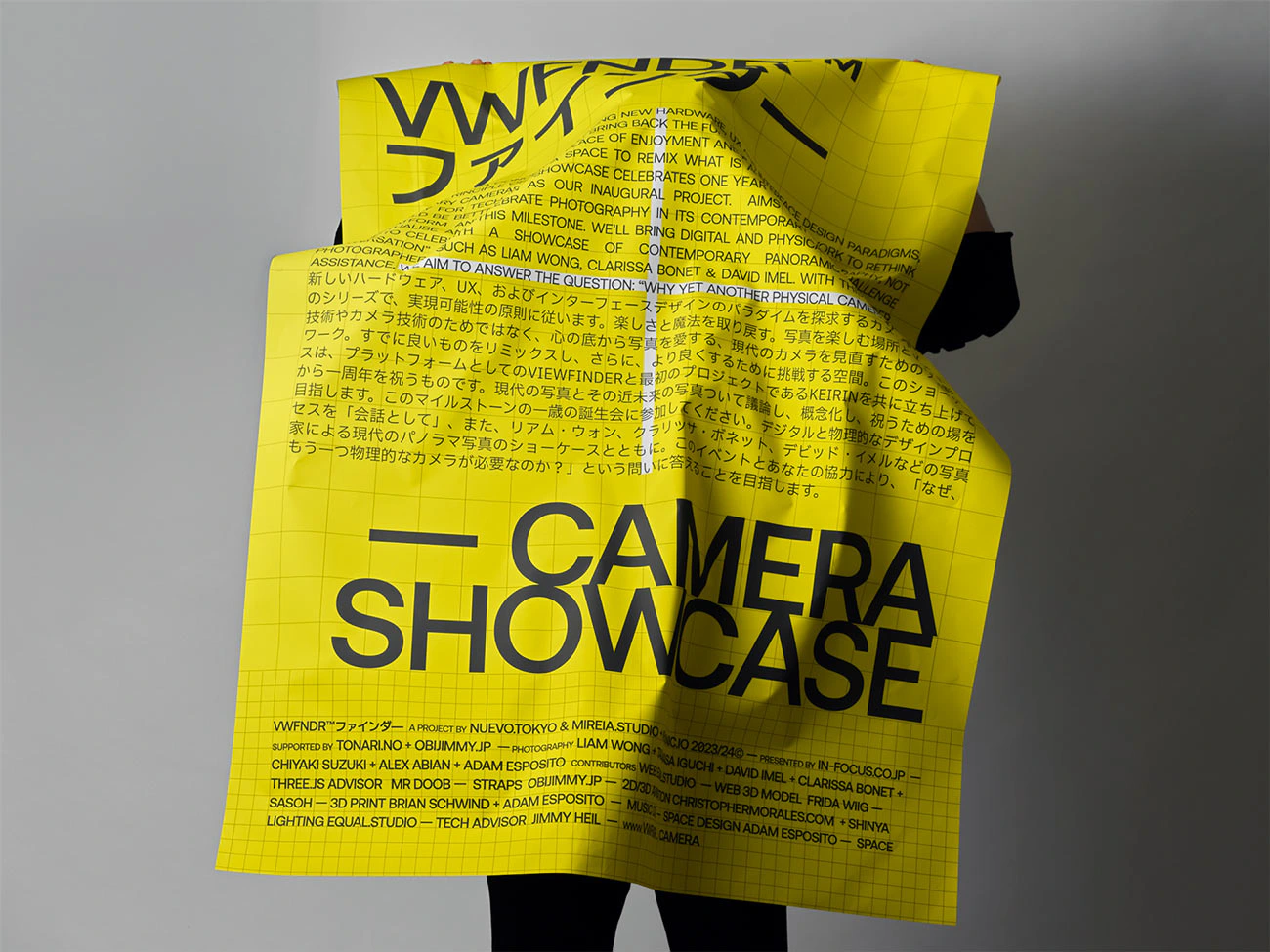
Why yet another physical camera?
This was the main question we aimed to answer with the event, and we are delighted with the feedback! Here are some insights that emerged from the great conversations with the attendees.
Showing our work can be intimidating, but we believe design shouldn't happen in a vacuum. By sharing our process and ideas with the design community and other curious minds, we welcomed interrogation.
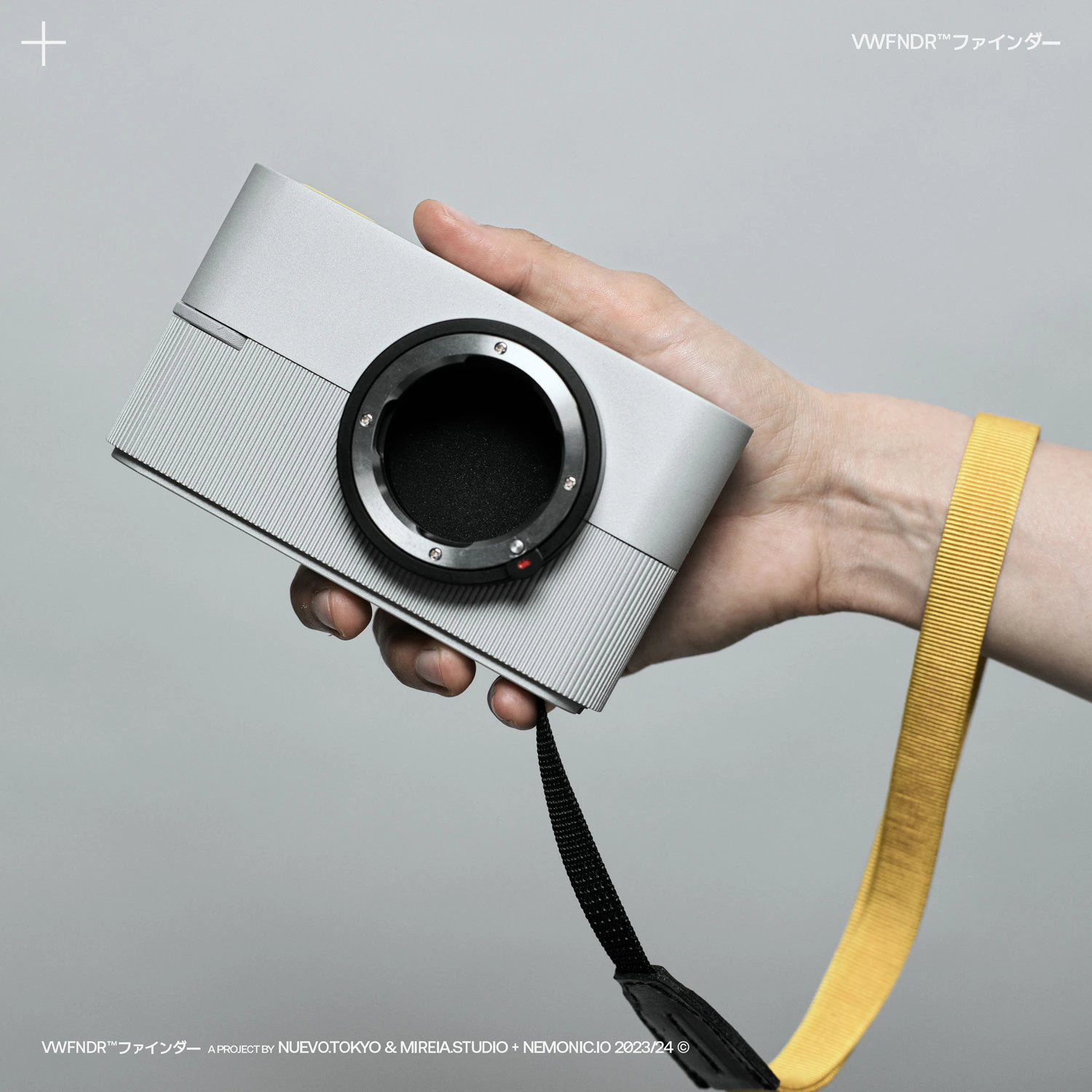
There’s a mutual understanding that there is space for consumer electronics focused on a single-purpose beautifully designed experience. Despite many visitors already owning great cameras (looking at you, Leica owners), there’s enthusiasm for challenging established perceptions of contemporary cameras.
A key highlight was interacting with the touch interface and holding the metal body prototype. A reminder of the beauty of physical objects and the importance of iterating with tangible prototypes.
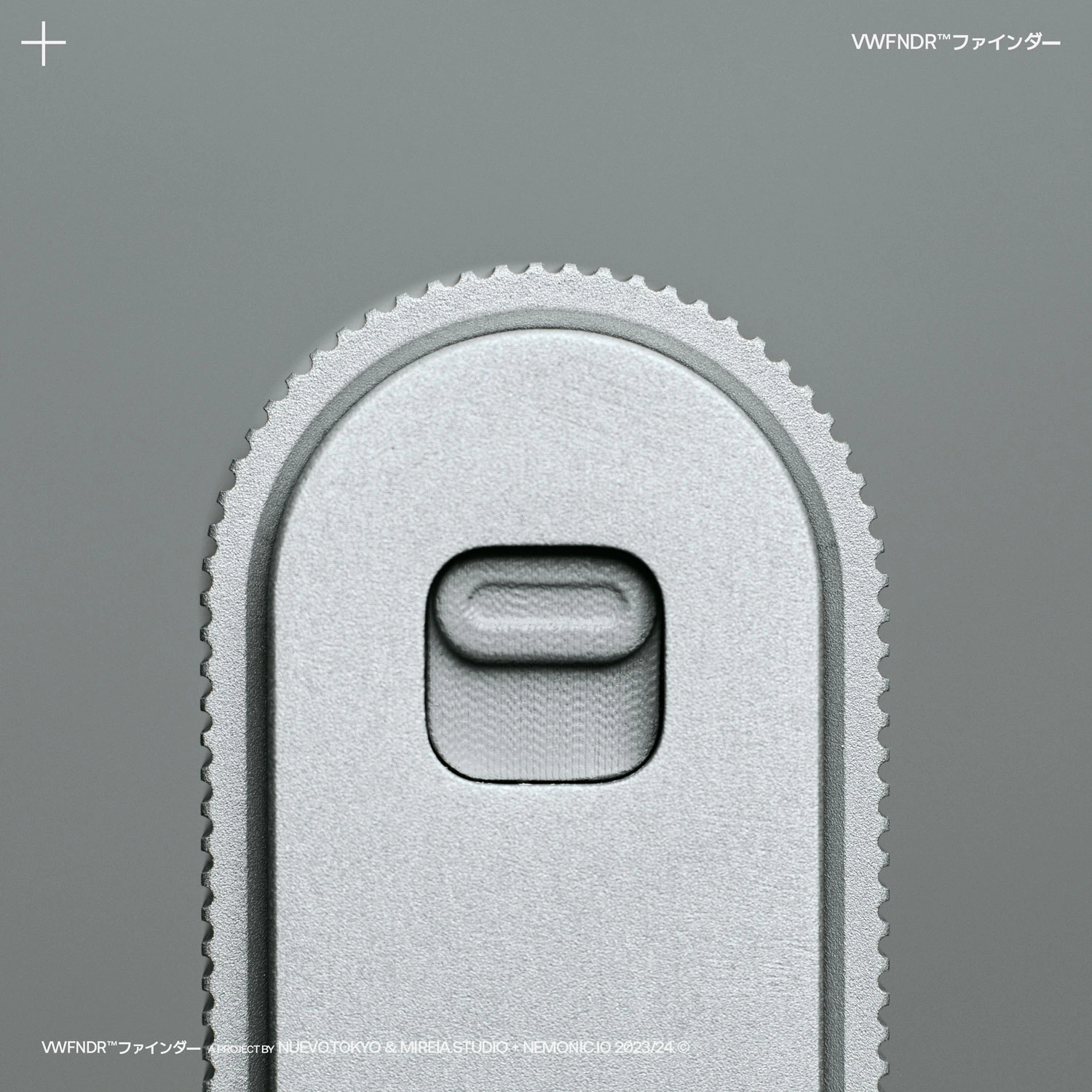
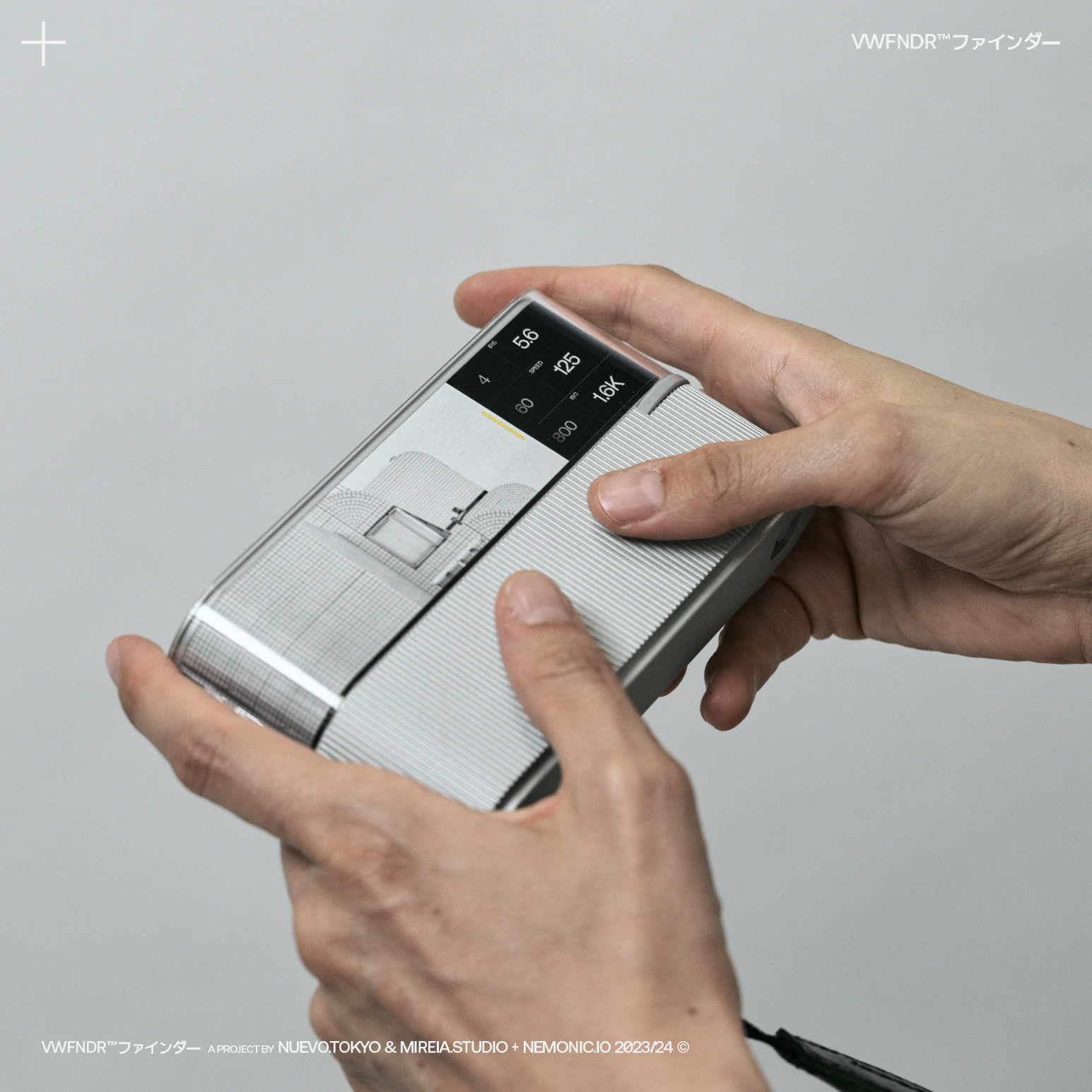
The pocketable size and minimal design language were praised, as were the general ergonomics and screen size, which proved effective when physically held. Some had doubts based on digital renders alone. A valid concern was whether the current physical controls are sufficient for navigating menus when shooting through PANOFNDR (our add-on viewfinder), something we’re looking into testing.
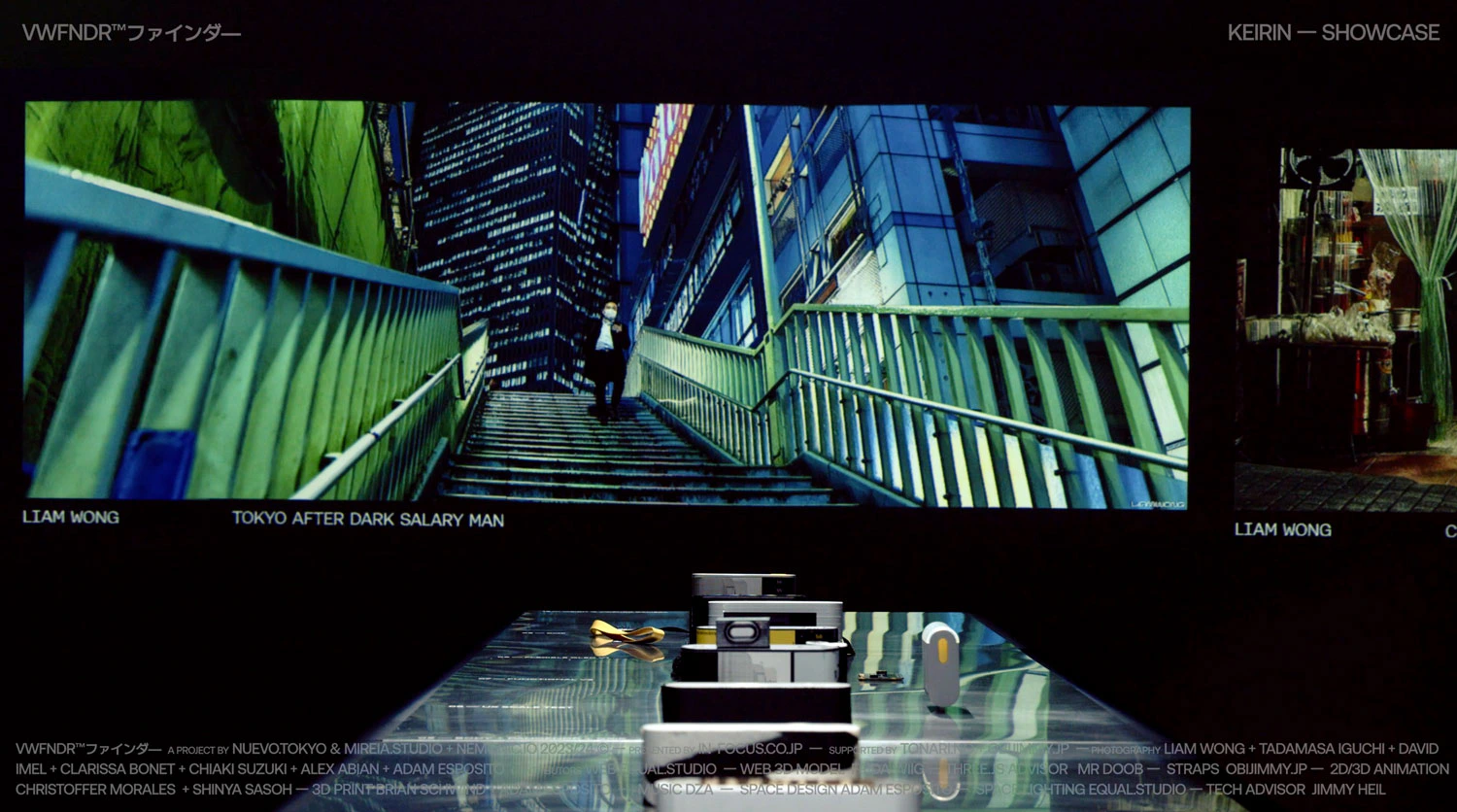
Photo: Liam Wong (opens in a new tab)
The celebration of the panoramic format was also well-received. It added a cinematic effect often lost in current social media, which favours cropped images suited to their apps and devices.
There was a consensus that digital cameras should adopt a phone-like, smooth, and well-designed touch interface for improved menu navigation and customisation of shooting styles. Our PANO format selection feature, where you swipe across the screen to change the ratio, was one of the most surprising for many because of its intuitive and user-friendly implementation.
Additionally, our automatic cloud update feature, implemented on the functional prototype, was widely appreciated. Recently, Fujifilm broke the internet with their X100VI camera, championing portability and the "camera to cloud" feature, while Leica introduced a dedicated ratio switch on their D-Lux 8 camera.
So, we might be onto something after all. (˵ •̀ ᴗ - ˵ ) ✧
Finally, seeing people engage with the concept through SNS or at our exhibit was wonderful. For those who followed our journey on Substack and visited the showcase, we hope you were pleasantly surprised.
The next episode
The prototypes aren’t final or perfect, but we've maximised our resources. In many ways, we've pushed beyond initial expectations, with flexible OLEDs proving less mature than anticipated.
Questions remain about manufacturability and market positioning, and while we don't have all the answers yet, we're considering them. KEIRIN started as a passion project, evolved into a speculative concept, and has become an open collaborative R&D platform, drawing in contributors.
We are now taking time to reflect and plan our next steps and partnerships. Stay tuned and keep an eye out for the next issue.
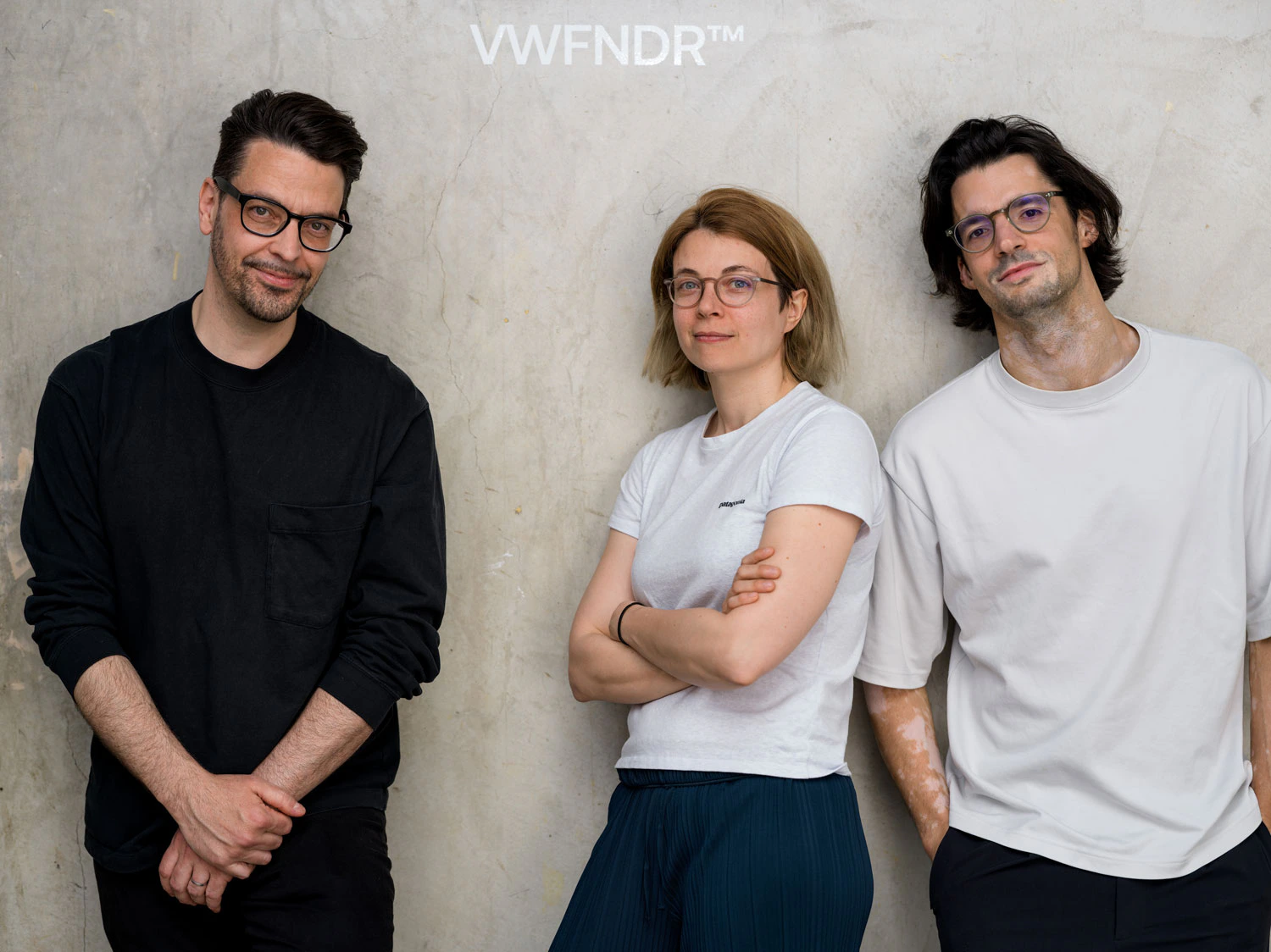
Alvaro + Mireia + Lucas — photo by Alex Abian (opens in a new tab)
Nothing without our community
This project wouldn't have been possible without the numerous incredibly talented people who helped out purely for the love of art. A special shout-out goes to CONTRAST space, which made this event possible in the first place. We also want to acknowledge the incredible efforts of our website team, who spent countless hours creating an online representation of the camera (opens in a new tab), everyone who helped create and set up a future-looking showcase space, and all the photographers who collaborated to prove panoramic photography is unique and magical, and reminded us we should shoot more of it.
Sponsors
- Space — CONTRAST (opens in a new tab) by IN FOCUS Inc (opens in a new tab)
- Projection/AV — tonari (opens in a new tab)
- Straps — obijimmy.jp (opens in a new tab)
Panoramic photography showcase
- Tadamasa Iguchi (opens in a new tab)
- Liam Wong (opens in a new tab)
- David Imel (opens in a new tab)
- Clarissa Bonet (opens in a new tab)
- Chiaki Suzuki (opens in a new tab)
- Alex Abian (opens in a new tab)
- Adam Esposito (opens in a new tab)
Contributors
- Web — equal.studio (opens in a new tab)
- Web 3D model — Frida Wiig (opens in a new tab)
- Three.js advisor — Mr.doob (opens in a new tab)
- Animation — Christoffer Morales (opens in a new tab) + Shinya Sasoh (opens in a new tab)
- Music — DZA (opens in a new tab)
- Space design — Adam Esposito (opens in a new tab)
- Space lighting — equal.studio (opens in a new tab)
- 3D print — Brian Schwind (opens in a new tab)
- Tech advisor — Jimmy Heil (opens in a new tab)
VWFNDR™ is an open project for like-minded creators passionate about photography. Please get in touch below with feedback or to get involved!
VIEWFINDER, a project by Nuevo.Tokyo (opens in a new tab) and Mireia.Studio (opens in a new tab)
UX/UI/ideation → Alvaro Arregui Falcon
Industrial design/ideation → Mireia Gordi i Vila